Regional index · October harvest

The whole country, field by field.

Six growing sectors. 8 independent farms. 15 harvests shipping this month. Choose a sector on the map to see the growers, what they're pulling out of the ground right now, and the story behind each one — then buy it direct, in bulk, with no supermarket standing in between.

6
Sectors indexed
8
Farms in index
15
In season now
0
Supermarket middlemen
Sector map
Tap a sector to filter the index
West2 farms · 3 in seasonMountain1 farms · 1 in seasonMidwest1 farms · 2 in seasonSouth1 farms · 2 in seasonMid-Atlantic1 farms · 2 in seasonNortheast2 farms · 5 in season
Harvest index · items shipping in October
Ask the farm desk
All six sectors

Ask anything about who grows what, when a crop peaks, what a farm charges, or how to order in bulk and get it shipped to your door.

Since the beginning

Ground, seed, rain, hands. Everything in this index still moves the oldest way there is — someone grows it, and you buy it from them.

Nominate a farmer
Sector WE · Canyon & Valley

West

Ojai canyon citrus, Willamette berry co-ops, tree-ripe stone fruit and olives picked at dead ripeness.

Soil · Volcanic canyon soils, valley silt
2 farms · 3 items in season
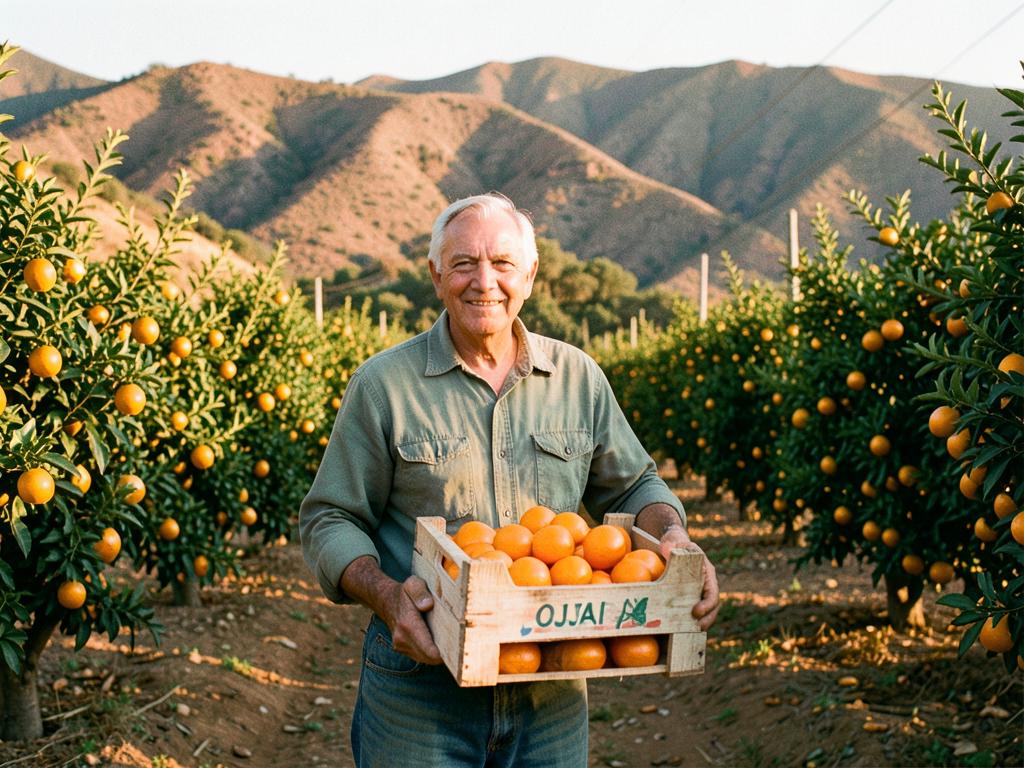
Ramón Delgado carrying a crate of Pixie tangerines in his hillside Ojai citrus orchard

Ojai Canyon Orchard

Ramón Delgado — Third-generation orchardist
Ojai Valley, California
Family has farmed the canyon since 19784.9(743)

Ramón's grandfather planted the first Pixie tangerines on this canyon slope after the valley's lemon packing houses closed. Three generations later the family still picks by hand into shoulder bags, running the fruit down the hill in a flatbed the same afternoon. Nothing is degreened with gas, waxed or held in cold storage — a Pixie that leaves the orchard in March was on the tree that morning.

“A tangerine tells you when it's ready. The supermarket calendar doesn't get a vote.”
Ramón Delgado
How it's grown · Hand-picked at ripeness, dry-farmed where the canyon allows, packed unwaxed within hours of harvest.
CCOF OrganicRegenerative OrganicTree-ripe fruit, packed the day of harvest.
2of 2 items shipping in October
Visit the farm
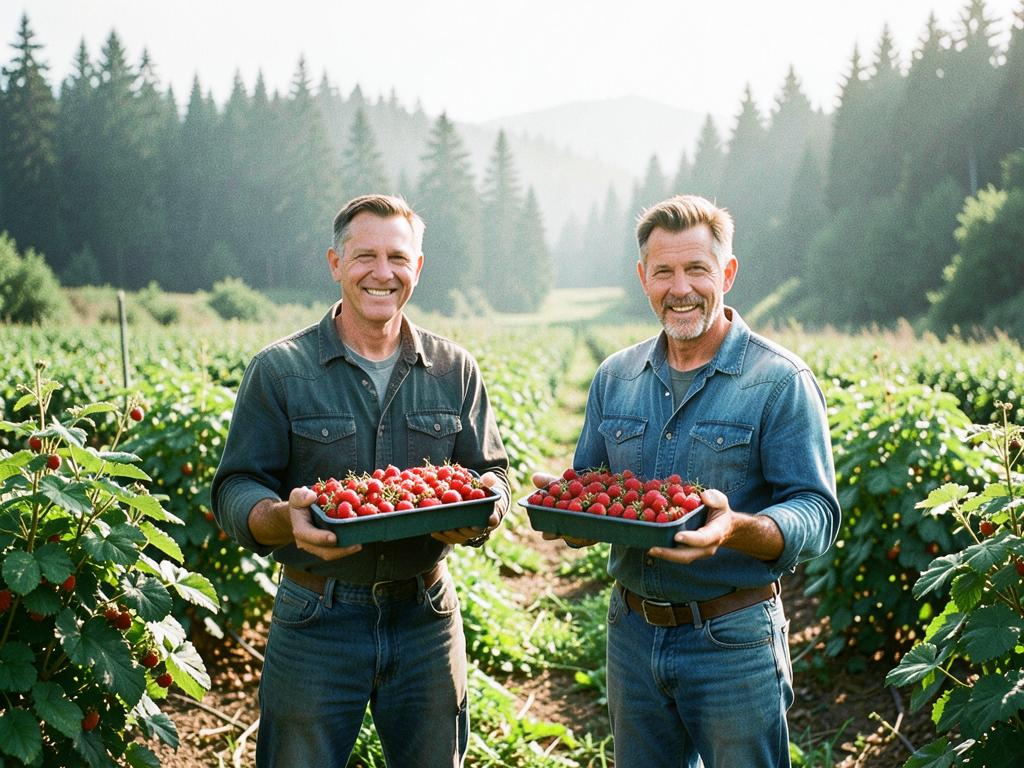
Tom Sandoval and Erik Lund holding flats of just-picked raspberries in an Oregon berry field

Willamette Berry Co-op

Tom Sandoval & Erik Lund — Co-op growers
Willamette Valley, Oregon
Founding members, farming the valley 20+ years4.9(486)

Tom and Erik pool harvests with five other family berry farms across the Willamette Valley so no one has to sell into the processing market at a loss. They grow Hood strawberries, Meeker raspberries and marionberries — varieties bred for flavor, not shipping — picked into shallow flats before the day heats up and cooled within the hour.

“Seven families, one truck. That's how a small berry farm survives out here.”
Tom Sandoval & Erik Lund
How it's grown · Flavor-first heirloom berry varieties, dawn hand-picking into shallow flats, forced-air cooling within the hour.
Oregon Tilth OrganicOvernight air, June–Sept.
1of 1 items shipping in October
Visit the farm
Sector MT · High Tunnel

Mountain

Passive-solar tunnels on the Rockies' front range. Cold-sweetened greens twelve months of the year.

Soil · Mineral alluvium at 5,000+ ft
1 farms · 1 items in season
What you can buy from this sector now
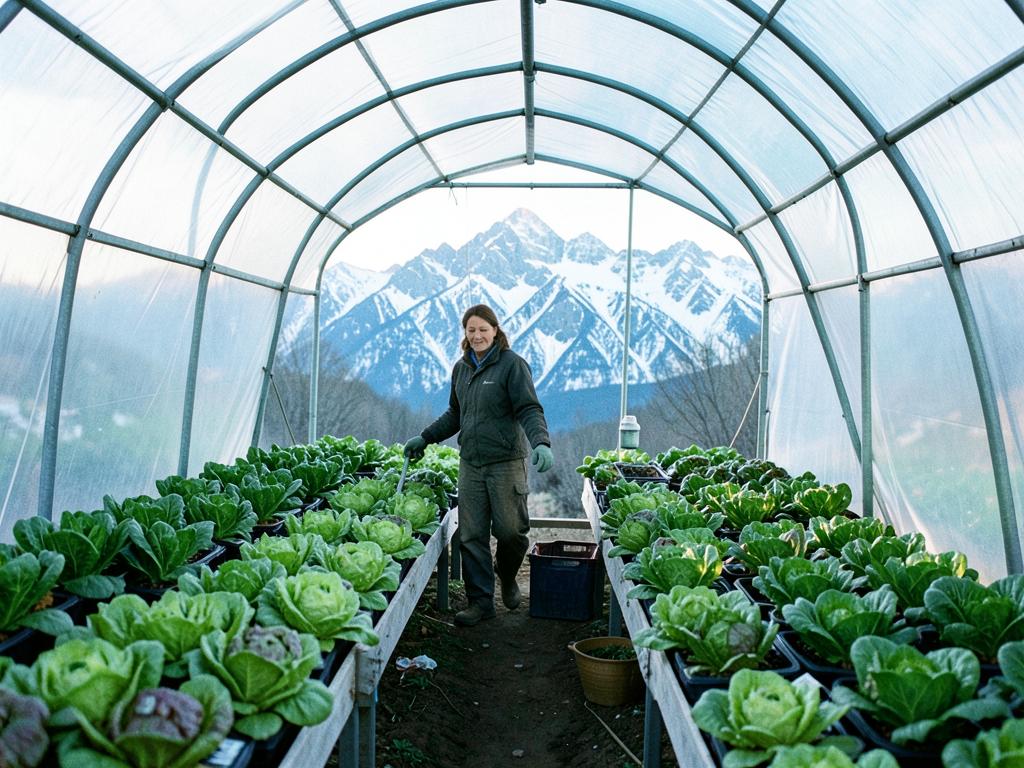
Priya Raman walking a high tunnel of winter salad greens with the Rockies behind her

Front Range Greens

Dr. Priya Raman — Founder, four-season tunnel grower
Boulder, Colorado
Growing at 5,300 ft since 20154.7(142)

A soil scientist by training, Priya built Front Range Greens around passive-solar high tunnels that hold living salad through Colorado winters with no supplemental heat. Cold nights slow the plants down and push sugar into the leaves, so January spinach from these tunnels eats sweeter than anything grown in July. Everything is cut to order the morning of the pack.

“People think winter is the off-season. At 5,300 feet it's when the greens get good.”
Dr. Priya Raman
How it's grown · Unheated passive-solar tunnels, mineral-balanced compost, cut-to-order harvest twelve months a year.
Certified Naturally GrownShips cold, Mon–Wed.
1of 1 items shipping in October
Visit the farm
Sector MW · Driftless & Prairie

Midwest

Ridges the last glacier never touched. Storage crops, winter squash, cabbages, heritage apples, pastured meat and eggs.

Soil · Ridge-top silt loam, prairie mollisol
1 farms · 2 items in season
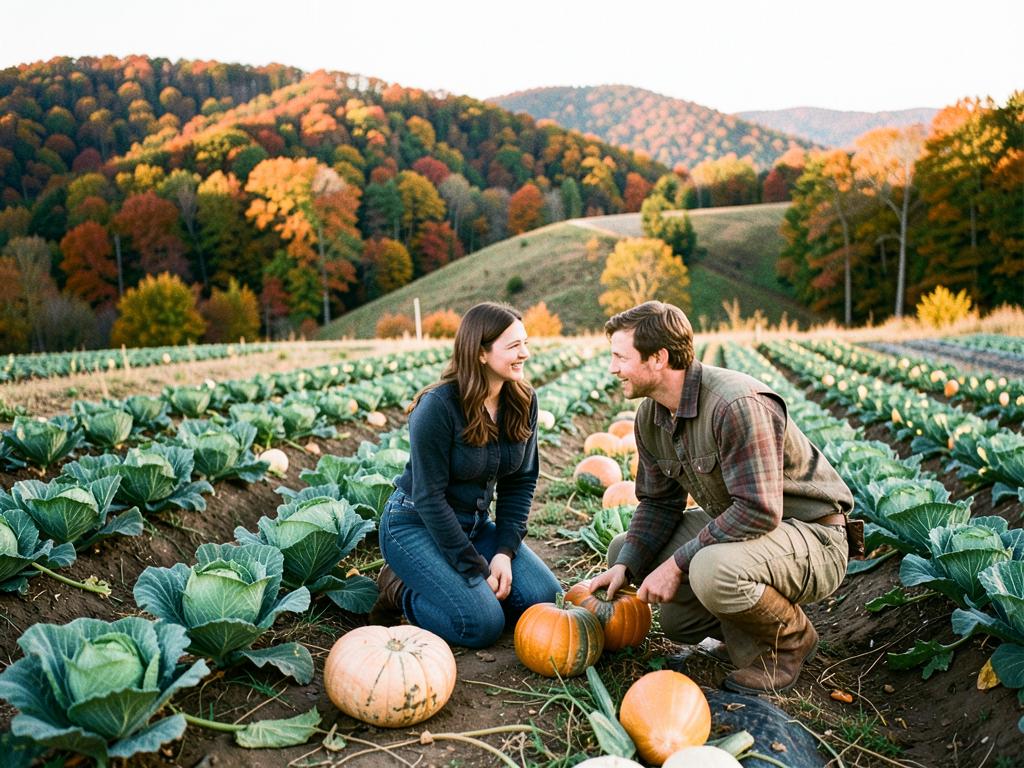
Nate and Hallie Brenner kneeling among winter squash and cabbage on their Wisconsin ridge farm

Driftless Roots

Nate & Hallie Brenner — Ridge-top growers
Viroqua, Wisconsin
Started on rented ridge ground in 20114.8(189)

Nate and Hallie farm a wind-exposed ridge above Viroqua in the Driftless — land the last glacier missed, so the silt loam sits deep and the hollows below hold cold air. They grow for the cellar: kabocha and butternut, storage cabbage, carrots that sweeten after frost, plus pastured eggs from a laying flock that follows the squash ground. Their root cellar keeps the farm shipping into February.

“Frost isn't a problem up here. It's an ingredient — it's what makes the carrots sweet.”
Nate & Hallie Brenner
How it's grown · Contour planting on ridge silt loam, frost-finished storage crops, hens rotated behind the squash.
USDA OrganicRoot cellared, ships cool.
2of 2 items shipping in October
Visit the farm
Sector SO · Piedmont & Gulf

South

Freestone peach country through the Gulf heat. Muscadines, figs, okra, field peas and long-season fruit.

Soil · Red Piedmont clay, sandy coastal plain
1 farms · 2 items in season
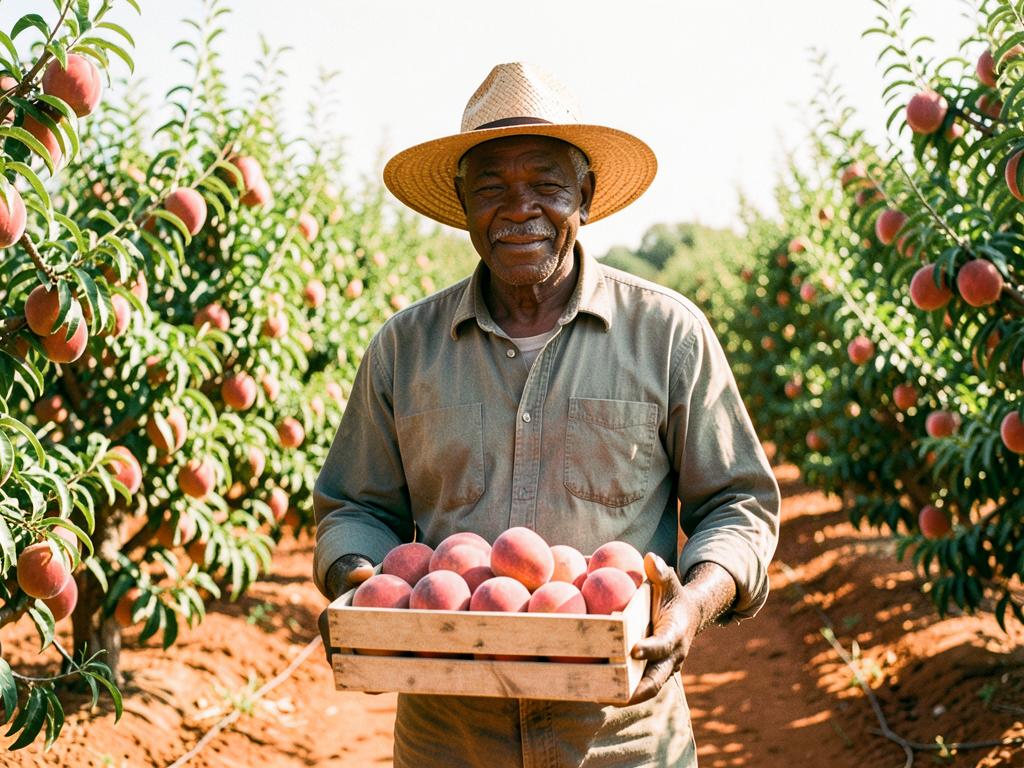
Willie Fontaine holding a wooden basket of freestone peaches in his Georgia orchard

Peach Branch Orchard

Willie Fontaine — Orchardist & grafter
Athens, Georgia
Working the family's red-clay orchard for 34 years4.9(611)

Willie grafts and grows 14 freestone varieties on Georgia red clay so the orchard ripens in waves from late May into August instead of all at once. He picks at what he calls "eating ripe" — a stage a commercial packer would reject because the fruit won't survive a warehouse. It doesn't have to: peaches are packed in single-layer trays and moved the same day.

“Grocery peaches get picked hard so they can travel. Mine get picked ripe so they can taste like something.”
Willie Fontaine
How it's grown · Own-rootstock grafting, integrated pest management instead of calendar spraying, single-layer same-day packing.
Georgia GrownCertified Naturally GrownFresh-pick to overnight air.
2of 2 items shipping in October
Visit the farm
Sector MA · Limestone Belt

Mid-Atlantic

Horse-powered Amish vegetable ground and tidewater truck farms. Sweet corn, brassicas, heirloom melons.

Soil · Lancaster limestone, Chesapeake loam
1 farms · 2 items in season
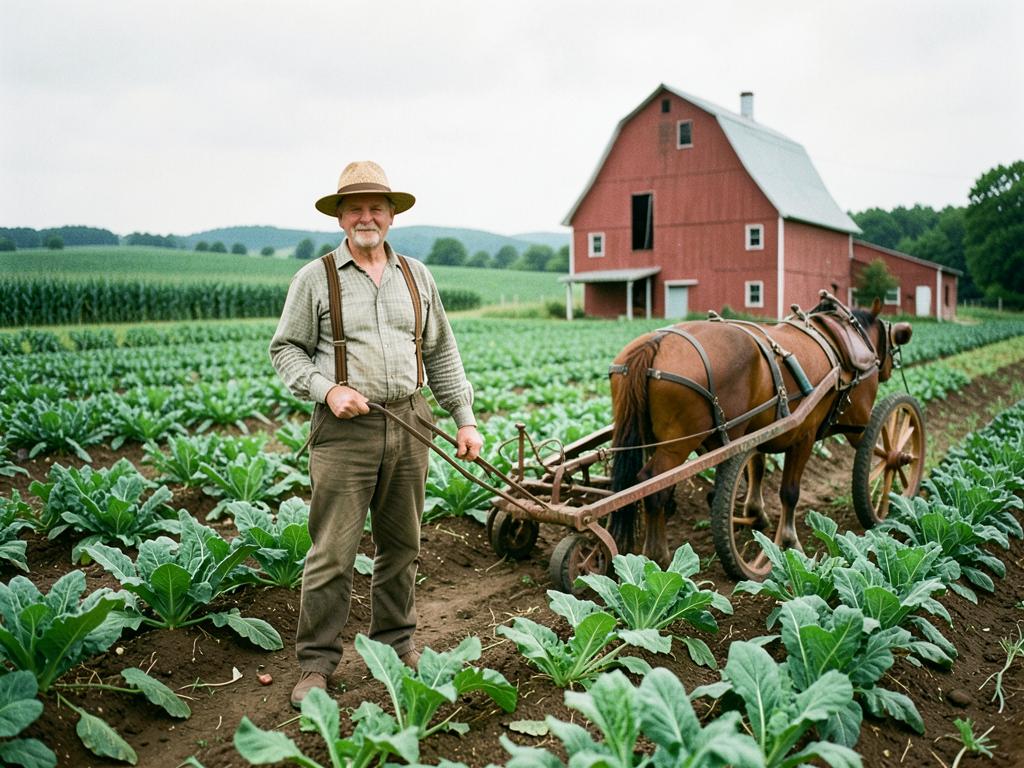
Amos Stoltzfus standing with a horse-drawn cultivator in a Lancaster County cabbage field

Stoltzfus Family Farm

Amos & Rebecca Stoltzfus — Owners, horse-powered vegetable ground
Lancaster County, Pennsylvania
Sixth generation on the same limestone farm4.8(274)

The Stoltzfus family has worked the same Lancaster County limestone since the 1860s. Amos still cultivates with a team of Belgians, which keeps the ground light enough that sweet corn roots go down two feet and hold through a dry August. Rebecca and the older children run the packing shed: melons, sweet corn, cabbage, tomatoes and fall storage crops, all graded by hand on a plank table in the barn.

“We farm slow because the soil is the only thing here we can't buy back.”
Amos & Rebecca Stoltzfus
How it's grown · Horse-drawn cultivation, six-year crop rotation with clover leys, hand-graded in the barn packing shed.
Real Organic ProjectCertified Naturally GrownPacked by hand Tue & Fri.
2of 2 items shipping in October
Visit the farm
Sector NE · Coast & Valley

Northeast

Hudson Valley market gardens and granite-ledge coastal farms. Root cellars, orchards, lowbush blueberries and sea vegetables.

Soil · Glacial till, granite ledge, river bottom
2 farms · 5 items in season
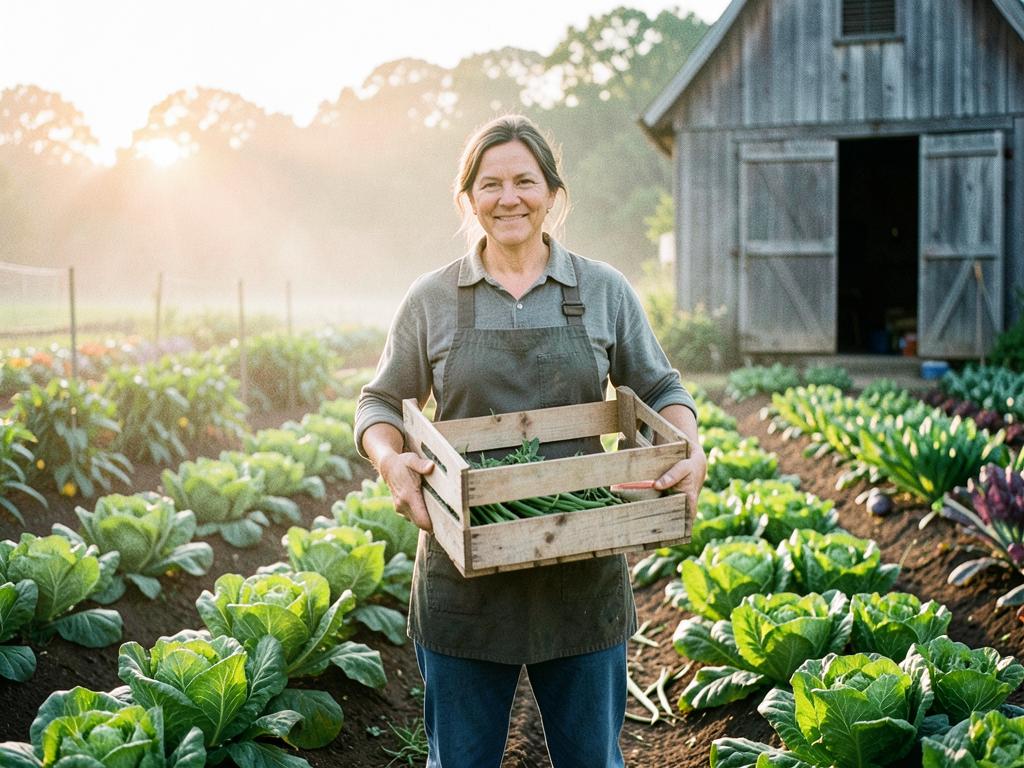
Maren Ostergaard holding a harvest crate of beans in her Hudson Valley market garden at sunrise

Hudson Hollow Farm

Maren Ostergaard — Owner & head grower
Hudson Valley, New York
Farming this hollow since 20044.9(512)

Maren left a restaurant kitchen in Brooklyn to take over 22 tired acres outside Rhinebeck and spent six years rebuilding the soil with cover crops, compost and a flock of laying hens. Today she and a crew of four grow roughly 180 varieties — bolt-resistant salad greens, Sungold tomatoes, shell beans, fall brassicas — on permanent beds that are never turned with a plow.

“If a head of lettuce sits on a truck for a week, you're not tasting my farm anymore. You're tasting the truck.”
Maren Ostergaard
How it's grown · No-till permanent beds, chicken-tractor fertility, cut-and-ship harvest the morning the box leaves the barn.
Certified Naturally GrownReal Organic ProjectBaskets ship Mon & Wed, harvested that morning.
3of 3 items shipping in October
Visit the farm
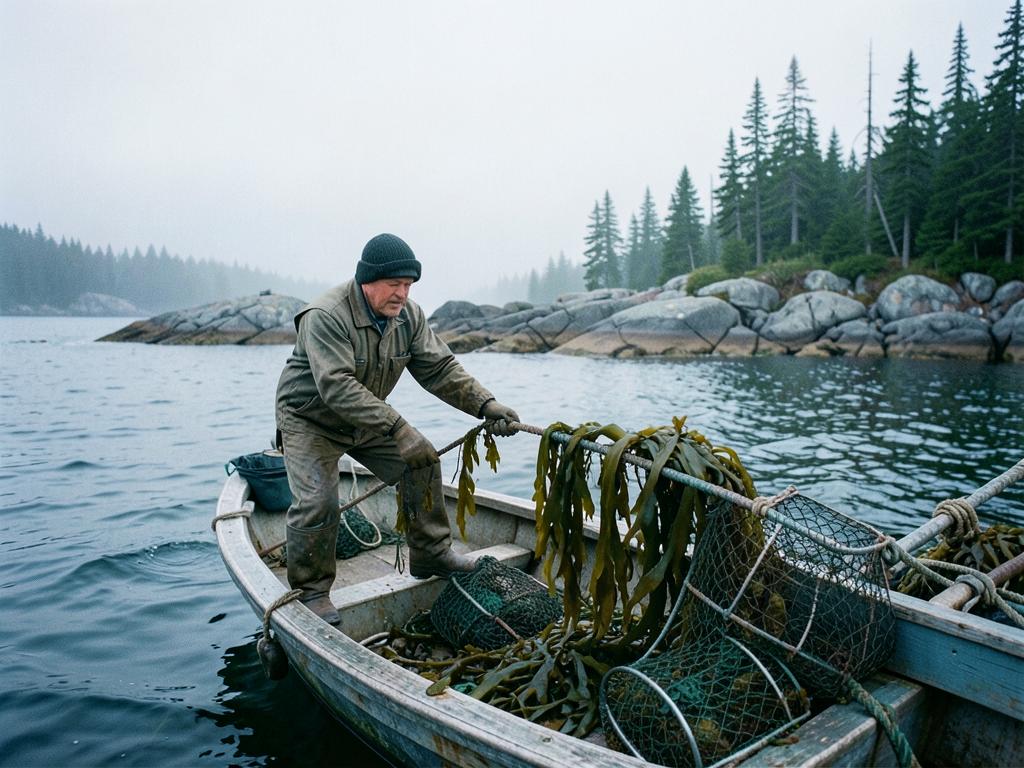
Cal Hutchins hauling a line of cultivated kelp from his workboat in foggy Blue Hill Bay

Blue Hill Sea Farm

Cal Hutchins — Sea farmer
Blue Hill, Maine
Twelve seasons on Blue Hill Bay4.8(97)

Cal fished lobster off Blue Hill for years before putting in kelp lines and oyster cages to work the winter and spring the lobster season leaves empty. Sugar kelp grown on his lines needs no feed, no fresh water and no fertilizer — it filters the bay while it grows. He hauls at first light and gets the harvest onto ice on the boat before it reaches the dock.

“The bay does the growing. My job is mostly to not get in the way of it.”
Cal Hutchins
How it's grown · Zero-input suspended kelp culture and oyster cages, hauled at first light, iced on deck before landing.
Real Organic ProjectOvernight cold pack from Ellsworth.
2of 2 items shipping in October
Visit the farm

A supermarket hides the farmer. This index puts them first.

Buy a side of beef, a case of eggs, a crate of peaches or a day-boat catch straight from the people who raised it — in bulk, at quality you can trace back to the soil it came out of.