Fruit & Vegetables, picked this week.
Heirloom vegetables, tree-ripe fruit, and cut-that-morning greens from 8 family farms. Everything below is actually in season right now — no cold storage, no supermarket proxies.
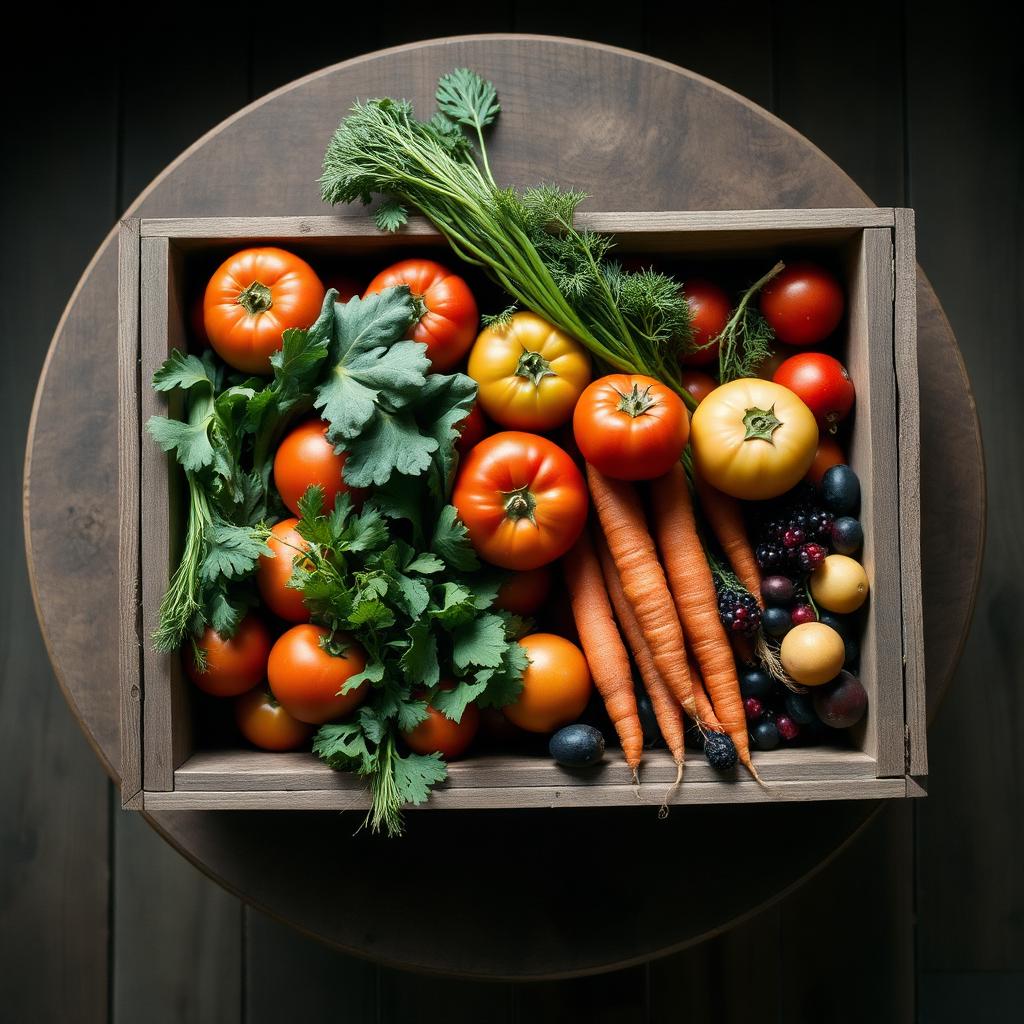
15 items ready to ship
- Weekly Seasonal Vegetable BasketIn seasonA rotating basket of whatever's peaking on the farm this week.JFMAMJJASOND
- Heirloom Tomato BoxIn seasonSix pounds of vine-ripened heirlooms — Brandywine, Cherokee Purple, Green Zebra.JFMAMJJASOND
- Cut-This-Morning Salad GreensIn seasonA one-pound bag of tender lettuces cut hours before shipping.JFMAMJJASOND
- Tree-Ripe Stone Fruit BasketIn seasonEight pounds of peaches, nectarines, apricots, and pluots at ripeness.JFMAMJJASOND
- Ojai Pixie TangerinesIn seasonTen pounds of seedless winter tangerines from the Ojai Valley.JFMAMJJASOND
- Silver Queen Sweet Corn (dozen)In seasonA dozen ears picked at dawn, on the truck by 8am.Farmer Stoltzfus Family FarmGrown in Lancaster County, PennsylvaniaAvailable Year-roundPeak June–SeptemberJFMAMJJASOND
- Heirloom Muskmelon BoxIn seasonThree tree-ripe Charentais and Moon-&-Stars melons.Farmer Stoltzfus Family FarmGrown in Lancaster County, PennsylvaniaAvailable Year-roundPeak June–SeptemberJFMAMJJASOND
- Marionberry FlatIn seasonSix pints of dead-ripe marionberries.Farmer Willamette Berry Co-opGrown in Willamette Valley, OregonAvailable Year-roundPeak June–SeptemberJFMAMJJASOND
Who's growing this season
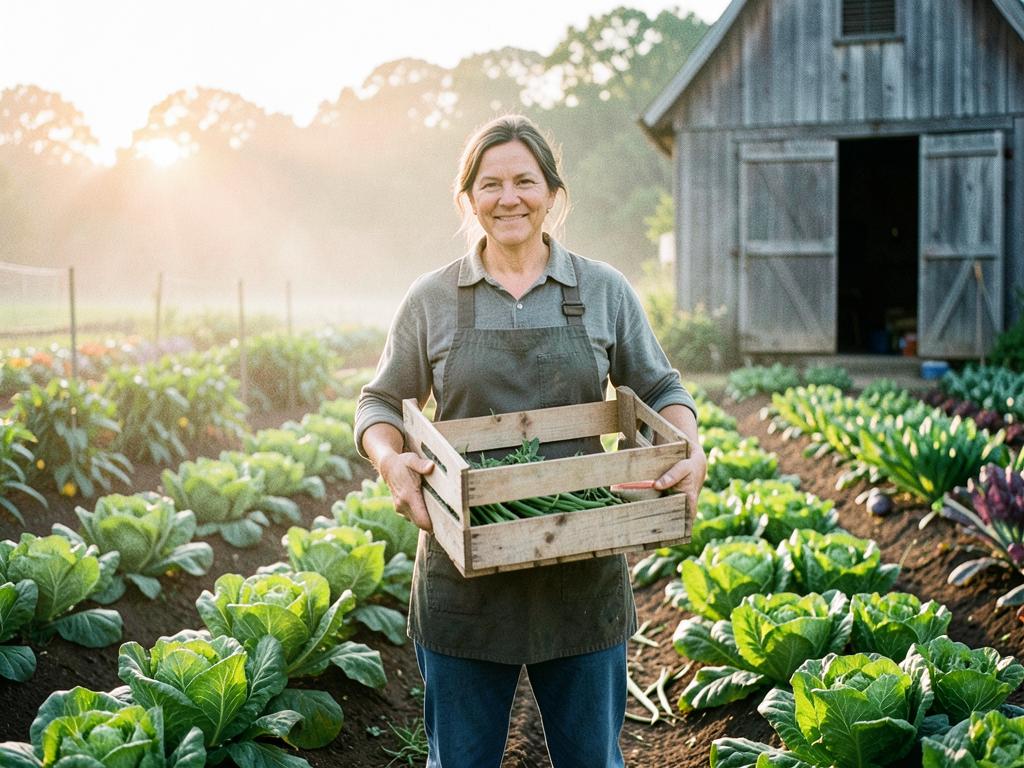
Maren left a restaurant kitchen in Brooklyn to take over 22 tired acres outside Rhinebeck and spent six years rebuilding the soil with cover crops, compost and a flock of laying hens. Today she and a crew of four grow roughly 180 varieties — bolt-resistant salad greens, Sungold tomatoes, shell beans, fall brassicas — on permanent beds that are never turned with a plow.
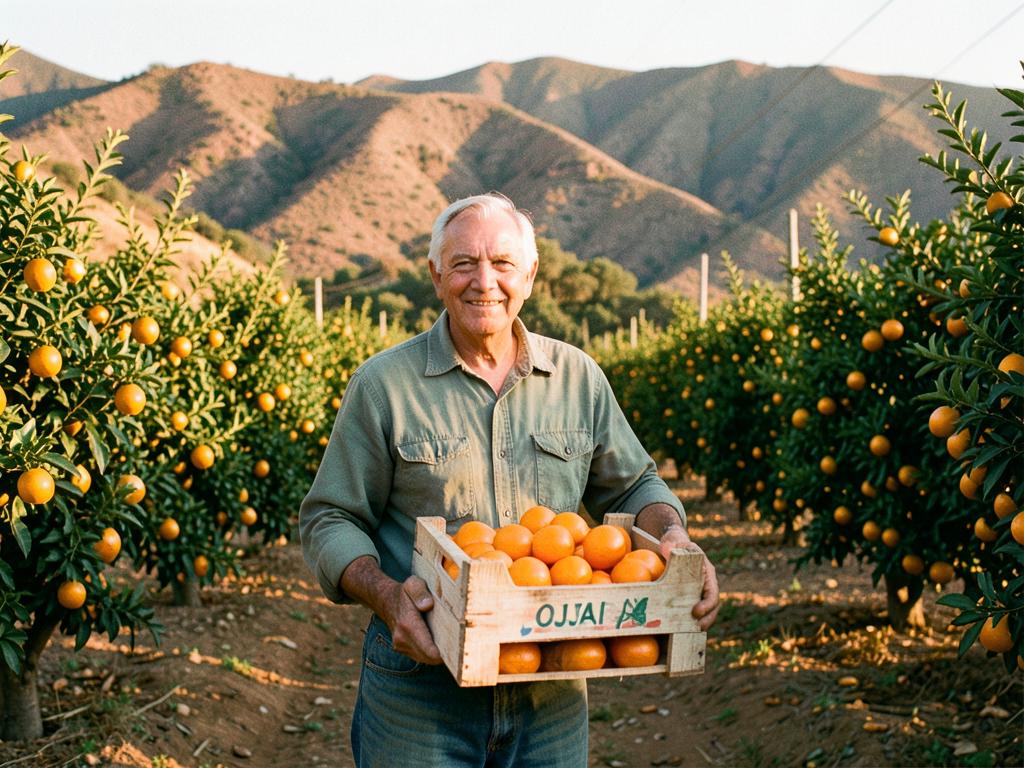
Ramón's grandfather planted the first Pixie tangerines on this canyon slope after the valley's lemon packing houses closed. Three generations later the family still picks by hand into shoulder bags, running the fruit down the hill in a flatbed the same afternoon. Nothing is degreened with gas, waxed or held in cold storage — a Pixie that leaves the orchard in March was on the tree that morning.
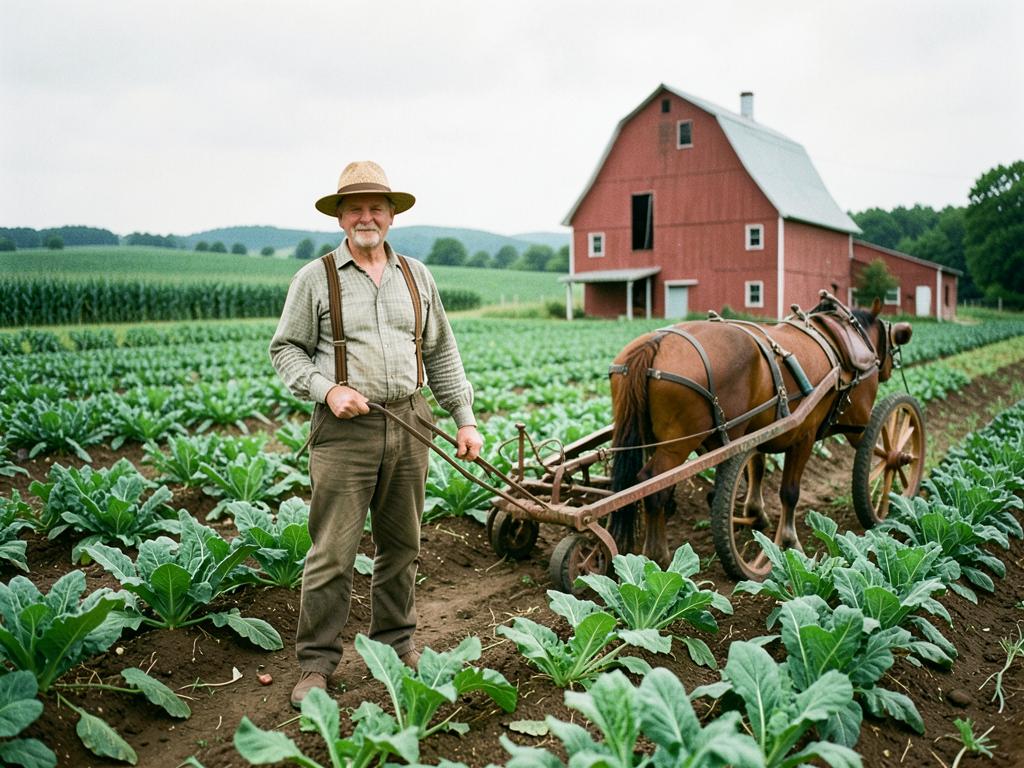
The Stoltzfus family has worked the same Lancaster County limestone since the 1860s. Amos still cultivates with a team of Belgians, which keeps the ground light enough that sweet corn roots go down two feet and hold through a dry August. Rebecca and the older children run the packing shed: melons, sweet corn, cabbage, tomatoes and fall storage crops, all graded by hand on a plank table in the barn.
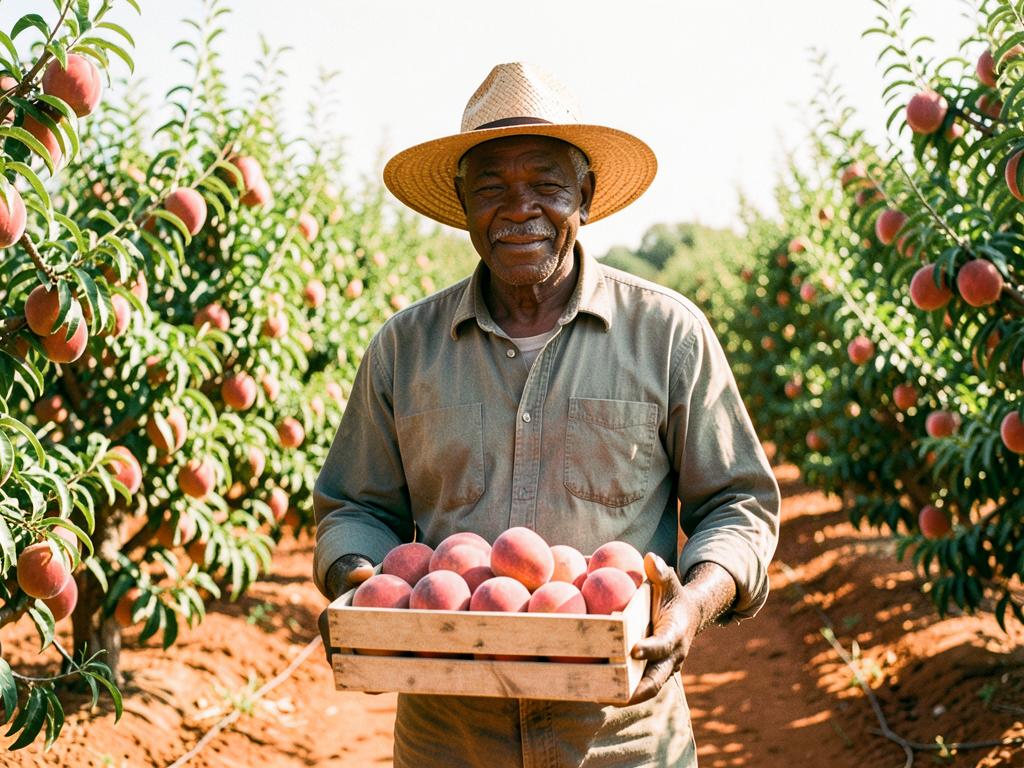
Willie grafts and grows 14 freestone varieties on Georgia red clay so the orchard ripens in waves from late May into August instead of all at once. He picks at what he calls "eating ripe" — a stage a commercial packer would reject because the fruit won't survive a warehouse. It doesn't have to: peaches are packed in single-layer trays and moved the same day.
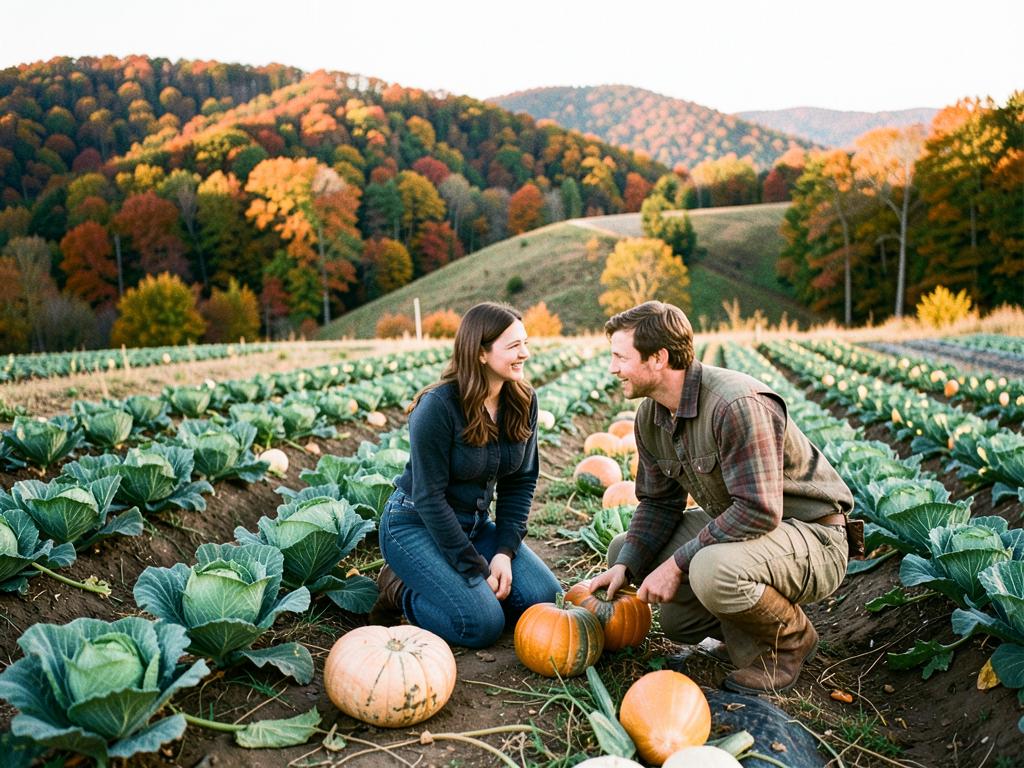
Nate and Hallie farm a wind-exposed ridge above Viroqua in the Driftless — land the last glacier missed, so the silt loam sits deep and the hollows below hold cold air. They grow for the cellar: kabocha and butternut, storage cabbage, carrots that sweeten after frost, plus pastured eggs from a laying flock that follows the squash ground. Their root cellar keeps the farm shipping into February.
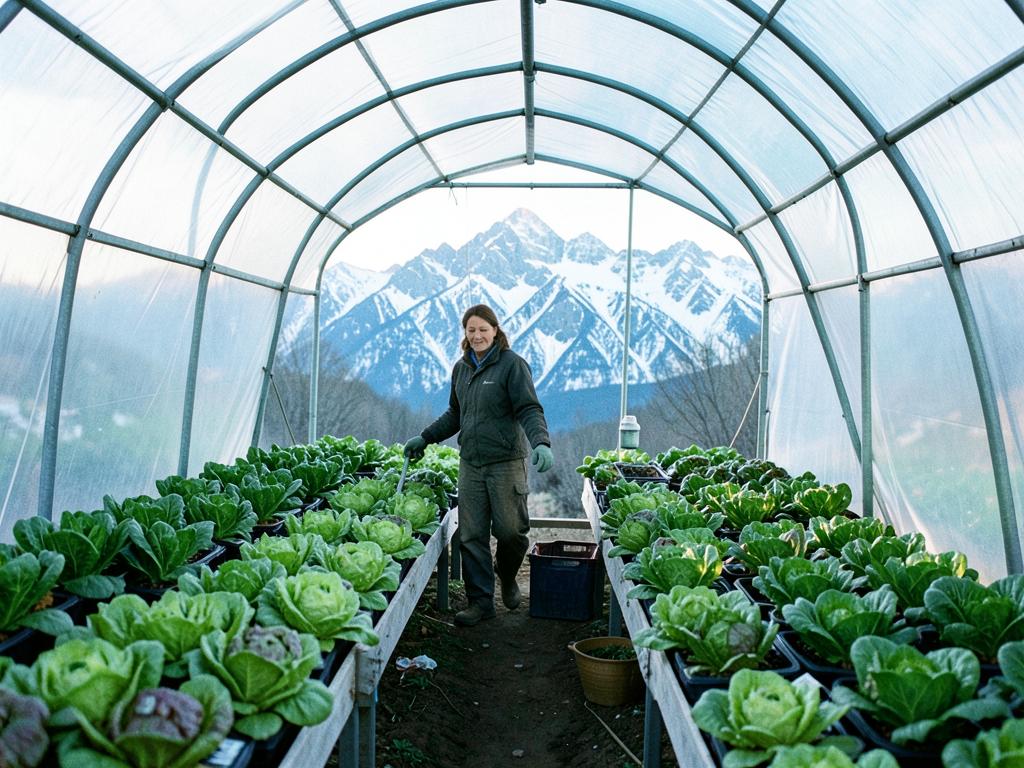
A soil scientist by training, Priya built Front Range Greens around passive-solar high tunnels that hold living salad through Colorado winters with no supplemental heat. Cold nights slow the plants down and push sugar into the leaves, so January spinach from these tunnels eats sweeter than anything grown in July. Everything is cut to order the morning of the pack.
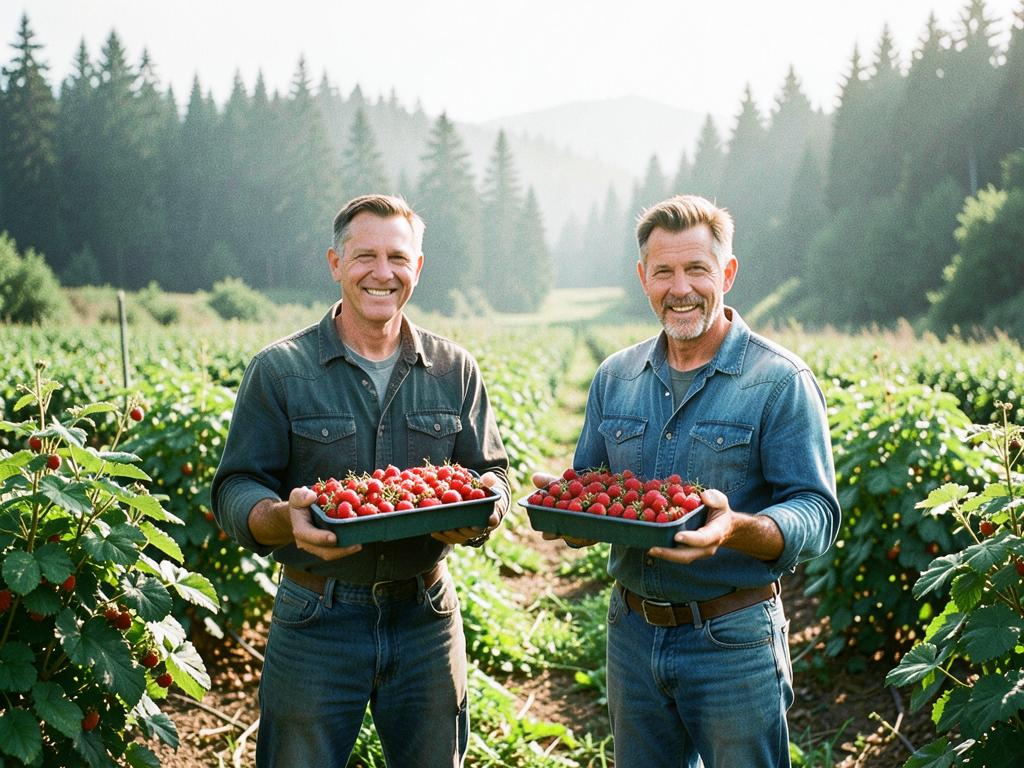
Tom and Erik pool harvests with five other family berry farms across the Willamette Valley so no one has to sell into the processing market at a loss. They grow Hood strawberries, Meeker raspberries and marionberries — varieties bred for flavor, not shipping — picked into shallow flats before the day heats up and cooled within the hour.
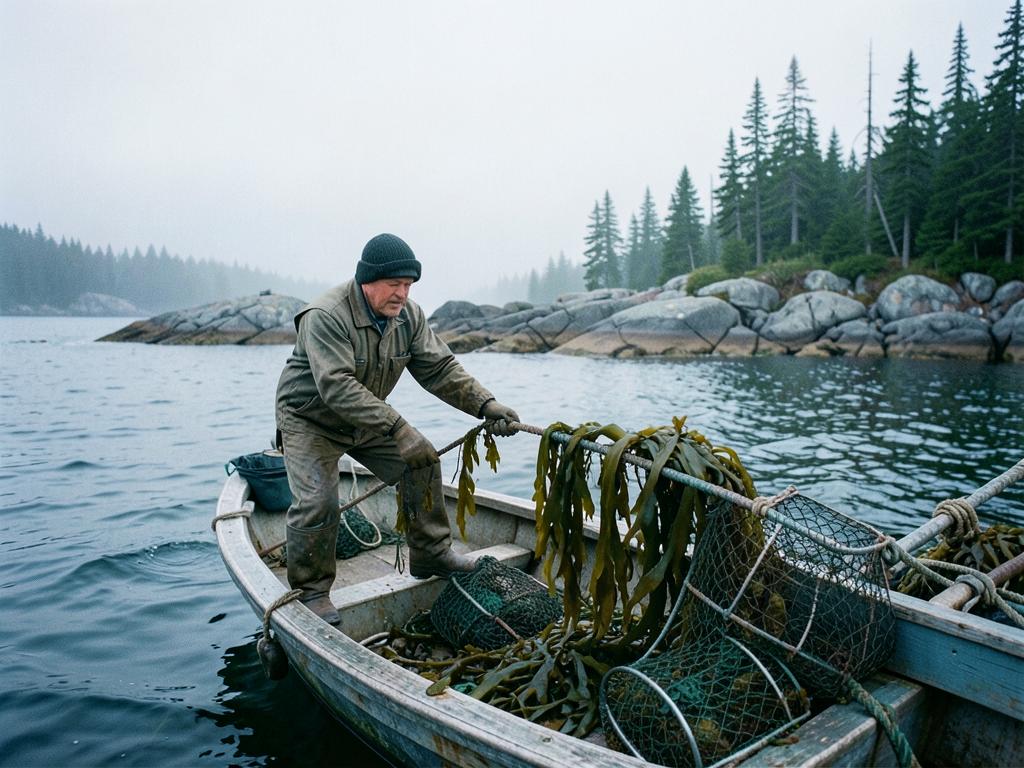
Cal fished lobster off Blue Hill for years before putting in kelp lines and oyster cages to work the winter and spring the lobster season leaves empty. Sugar kelp grown on his lines needs no feed, no fresh water and no fertilizer — it filters the bay while it grows. He hauls at first light and gets the harvest onto ice on the boat before it reaches the dock.